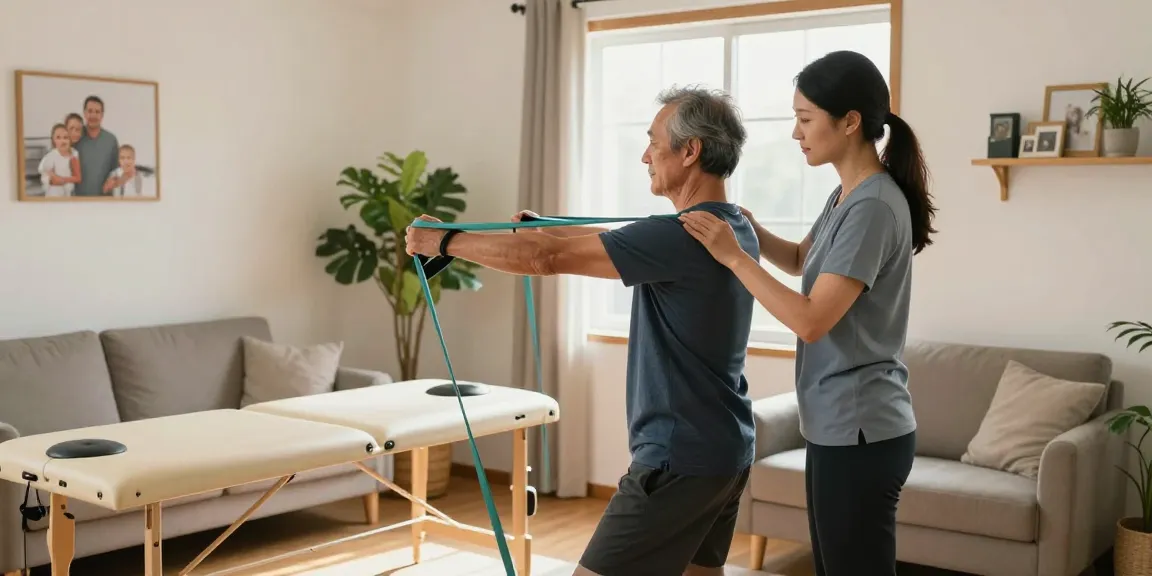
Understanding In-home Physiotherapy Burlington
In-home physiotherapy is a specialized service designed to bring physiotherapy directly to your doorstep, providing personalized care that accommodates individual needs. This approach is particularly advantageous for those in Burlington who may have mobility issues, prefer the comfort of their own home, or are looking for convenient therapy solutions. When exploring options, In-home physiotherapy burlington offers a tailored approach to recovery, focusing on the unique requirements of each client.
What is In-home Physiotherapy?
In-home physiotherapy involves licensed physiotherapists delivering treatment in a patient’s home rather than a clinical setting. This service includes various modalities, such as physical exercises, manual therapy, and education aimed at improving functional abilities and decreasing pain. The primary goal is to help clients achieve their rehabilitation goals while providing them the convenience and comfort of their home environment. With advancements in telehealth and mobile therapy services, physiotherapists can also incorporate technology to enhance the treatment experience.
Benefits of Choosing In-home Physiotherapy in Burlington
Choosing in-home physiotherapy in Burlington comes with multiple benefits:
- Convenience: Services are delivered at a time that suits your schedule, eliminating the need for transportation.
- Comfortable Environment: Patients can feel more relaxed and at ease in their homes, which can enhance the effectiveness of therapy.
- Personalized Care: Treatment plans are tailored to fit individual lifestyles and goals, taking into consideration the home environment.
- Family Involvement: Family members can participate in the therapy process, providing additional support and motivation.
- Accessibility: Ideal for those with limited mobility, chronic conditions, or elderly patients who find it challenging to visit clinics.
Who Can Benefit from In-home Services?
Many individuals can benefit from in-home physiotherapy services, including:
- Patients recovering from surgery who need ongoing rehabilitation.
- Individuals with chronic pain or conditions such as arthritis.
- Older adults who may struggle with mobility and require assistance.
- Athletes looking for rehabilitation services without visiting a clinic.
- People who prefer the comfort of receiving care in their own home.
Common Conditions Treated
Managing Chronic Pain with In-home Physiotherapy
Chronic pain can significantly impact an individual’s quality of life. In-home physiotherapy focuses on personalized treatment plans that address specific pain management strategies. Physiotherapists may employ techniques such as:
- Manual therapy to alleviate muscle tension.
- Exercise and rehabilitation to improve strength and mobility.
- Education on pain management techniques and lifestyle modifications.
Rehabilitation Post-surgery at Home
Recovering from surgery can be challenging, but in-home physiotherapy provides tailored rehabilitation to facilitate healing. Physiotherapists guide patients through specific exercises and stretches designed to regain strength and restore function. Common post-surgical rehabilitation may include:
- Joint replacement recovery.
- Sports injury rehabilitation.
- Cardiac surgery recovery.
Personalized Care for Seniors in Burlington
Older adults often face unique challenges related to mobility, strength, and balance. In-home physiotherapy offers targeted interventions to help seniors maintain independence and prevent falls. Specific strategies may include:
- Strength training and flexibility exercises.
- Balance training to enhance stability.
- Home assessments to modify environments for safety.
How In-home Physiotherapy Works
The Initial Consultation Process Explained
The journey to recovery begins with an initial consultation, where the physiotherapist evaluates the patient’s condition, discusses medical history, and outlines treatment goals. This assessment is crucial for developing a personalized care plan that meets the client’s specific needs.
Customizing Your Therapy Plan
Based on the assessment, the physiotherapist will create a customized treatment plan that may include exercises, manual therapy, and education about the condition. This individualized approach ensures that therapy is not only effective but also aligns with the patient’s lifestyle and comfort level.
Ongoing Evaluations and Adjustments
Regular evaluations are essential to monitor progress and make necessary adjustments to the treatment plan. The physiotherapist will assess improvements, setbacks, and overall effectiveness, refining the approach to ensure optimal recovery.
Choosing the Right Physiotherapist
Qualities of an Effective In-home Physiotherapist
When selecting a physiotherapist for home care, consider the following qualities:
- Empathy: A compassionate approach enhances patient comfort and trust.
- Communication skills: Clear explanation of treatment plans and progress updates.
- Adaptability: Ability to modify treatments to meet the patient’s changing needs.
Credentials and Professional Experience to Look For
It’s important to choose a physiotherapist who is licensed and possesses adequate experience in the field. Look for professionals who have:
- Relevant qualifications and licenses.
- Experience with specific conditions related to your needs.
- Positive patient reviews or testimonials validating their effectiveness.
Questions to Ask During Your First Meeting
During the initial consultation, it’s beneficial to ask questions that can help clarify the physiotherapist’s approach. Consider asking:
- What is your experience with my condition?
- What techniques do you typically use?
- How will we measure progress during therapy?
Future of In-home Physiotherapy
Emerging Trends in 2026 and Beyond
As we move further into the digital age, in-home physiotherapy is expanding to integrate more technology. For instance, telehealth consultations and mobile apps for progress tracking are becoming increasingly popular. These trends allow physiotherapists to provide enhanced care while maintaining flexibility for patients.
Incorporating Technology into Home Care
The use of technology, such as telehealth sessions, wearable fitness trackers, and app-based exercise programs, is revolutionizing in-home physiotherapy. These tools not only simplify communication between therapists and clients but also promote adherence to rehabilitation programs.
Patient-Centric Approaches in Modern Physiotherapy
The future of physiotherapy is leaning heavily towards patient-centric care, emphasizing personalized treatment experiences. This approach ensures that therapy is not only about physical recovery but also about improving emotional well-being, motivation, and overall quality of life.
What are the signs that indicate you should seek physiotherapy?
Common signs that may warrant a visit to a physiotherapist include:
- Persistent pain that doesn’t improve with rest.
- Numbness or tingling in the arms or legs.
- Difficulty performing daily activities due to discomfort.
How does in-home physiotherapy differ from traditional clinics?
In-home physiotherapy differs from traditional clinics in several ways. While both aim to aid recovery, in-home physiotherapy provides a more personalized, comfortable environment that caters to individual schedules and preferences. Additionally, the therapy is often tailored to incorporate the patient’s home context, utilizing familiar surroundings for functional rehabilitation.
What types of insurance cover in-home physiotherapy services?
Many insurance providers offer coverage for in-home physiotherapy services, but it’s important to verify specific benefits with your policy. A comprehensive understanding of your coverage can help manage costs and make informed decisions regarding your care.
How can I prepare for my first in-home physiotherapy session?
Preparing for your first session can enhance your experience. Consider the following tips:
- Clear a space in your home for exercises and equipment.
- Have a list of questions ready for your physiotherapist.
- Be prepared to discuss your medical history and current health conditions.
What can I expect in terms of treatment duration and frequency?
Treatment duration and frequency vary based on individual needs and goals. Typically, sessions last from 30 to 60 minutes, and the frequency can range from weekly to multiple times a week, depending on the treatment plan. Your physiotherapist will provide recommendations based on your specific situation.