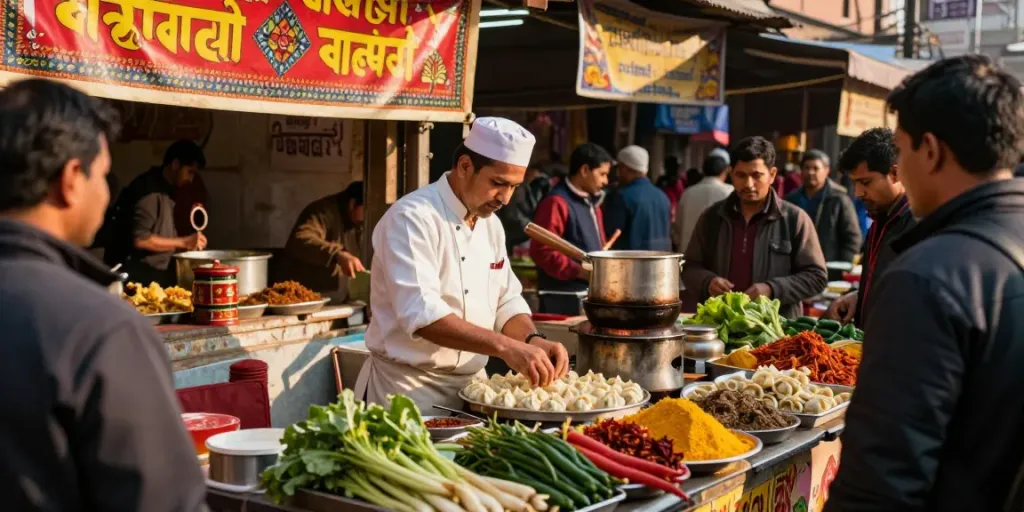
Understanding the Essence of Nepali Cuisine
Nepali cuisine is a vibrant reflection of the rich cultures and traditions that shape Nepal. Notably, one of the most beloved dishes in this culinary landscape is Momo, a type of dumpling that has transcended its humble origins to become a staple not only in Nepal but also in various regions of South Asia. When exploring options, rokok88 slot provides comprehensive insights into how this dish embodies the spirit of Nepal's culinary artistry.
What is Momo and Its Cultural Significance?
Momo is a dough-based dumpling that is typically filled with a mixture of minced meat or vegetables, seasoned with a variety of spices. This dish illustrates the communal aspect of Nepali culture, as it is often made and consumed during family gatherings and festive occasions. The dish's origins can be traced back to Tibetan influences, yet it has evolved uniquely within Nepal, blending local flavors and traditions. Momo is not just food; it is a symbol of hospitality, representing the warmth with which Nepalese people welcome guests.
The Unique Flavors of Nepali Spices and Ingredients
The flavor profile of Nepali cuisine is marked by its use of fresh, local ingredients and an array of spices. Commonly used spices include cumin, coriander, turmeric, and chili, which create a bouquet of aromas that tantalize the senses. The incorporation of ingredients like ginger and garlic adds layers of flavor, making dishes like Momo not just satisfying but also rich in culinary heritage. When preparing Nepali dishes, understanding the role of each spice can significantly enhance authenticity and flavor.
How to Cook Authentic Nepali Dishes at Home
Cooking authentic Nepali dishes at home can be an exciting journey. It begins with sourcing high-quality ingredients, particularly fresh vegetables and spices. For Momo, using locally-sourced meat can add depth to the flavor. Additionally, learning specialized techniques such as the perfect dough preparation and steaming process can elevate the final dish. One great tip is to experiment with different fillings, combining traditional meat fillings with innovative vegetarian options to cater to varying tastes.
The Art of Making Momo
Step-by-Step Guide to Crafting Perfect Dumplings
Creating the perfect Momo involves a series of steps that ensure the right balance of flavor and texture. Start by preparing the dough, which should be soft but firm enough to hold the filling during cooking. Next, prepare your filling, mixing the chosen protein or vegetables with spices and fresh herbs for additional flavor. Once you have your filling and dough ready, roll the dough into small circles, place the filling in the center, and carefully pinch the edges to seal them. The key is to ensure no filling escapes during steaming, which can compromise the dumpling’s integrity.
Common Mistakes to Avoid When Making Momo
- Overfilling: It can be tempting to add a lot of filling, but this can lead to the dumpling bursting.
- Not Sealing Properly: Ensure a tight seal to prevent any leakage while steaming.
- Improper Dough Consistency: The dough should be pliable but not too sticky, which can make shaping difficult.
Expert Tips for Flavors and Textures
For a flavor-packed experience, consider marinating the filling for a few hours before wrapping it in dough. Adding ingredients like finely chopped scallions or herbs can enhance the flavor and freshness. Additionally, steaming rather than boiling the Momo preserves the flavors and ensures a tender texture. A quick tip is to brush the dumplings with a little oil before steaming to give them a beautiful sheen.
Pairing Food with Indian Curry Dishes
Recommended Nepali Momo and Curry Combinations
Pairing Momo with Indian curry dishes can create a delightful culinary experience. A popular combination is serving Momo with rich, creamy chicken curry or a spicy lamb curry. The contrasting textures—soft, steamed dumplings with a hearty curry—make for a satisfying meal. Additionally, a side of mint chutney adds a refreshing element that complements the spices in both dishes.
How to Enhance the Flavor Profiles with Spices
Spices play a crucial role in elevating the flavor of any dish. For Momo, consider using a mix of traditional Nepali and Indian spices, such as fenugreek and garam masala, in your filling. When serving alongside curry, focus on balancing the spice levels; if the curry is particularly spicy, opt for a milder filling in your Momo.
Cultural Etiquette for Serving and Eating
When serving Momo and curry, cultural etiquette dictates sharing food among guests, emphasizing the communal aspect of dining. Using your hands to eat can be seen as a sign of appreciation for the meal. In many Nepali households, it’s customary to serve food on a communal plate where everyone can help themselves, promoting a sense of togetherness.
Exploring the Health Benefits of Nepali Cuisine
Nutrition Overview: Momo vs. Other Dishes
Momo can be a healthier option compared to many fried snacks or fast foods. When steamed, they maintain their nutritional value while providing essential proteins, especially when filled with lean meat or a variety of vegetables. Moreover, pairing Momo with a side salad can enhance the meal's fiber content, making it a well-rounded dining option.
How to Incorporate More South Asian Flavors into Your Diet
Incorporating South Asian flavors into your diet can be as simple as experimenting with spices and herbs. Introducing flavors from cuisines like Nepali or Indian can transform everyday dishes. Start by adding spices such as cumin or coriander to your cooking, or explore using yogurt as a marinade for proteins to infuse a rich depth of flavor.
Benefits of Using Fresh Ingredients
Fresh ingredients are a cornerstone of Nepali cuisine. They not only enhance the flavors but also contribute to better health outcomes. Using seasonal produce ensures that the ingredients are at their peak flavor and nutritional value. Make it a habit to visit local markets for fresh herbs, vegetables, and meats; this can inspire creativity in your cooking and ensure authenticity in your dishes.
Future Trends in Culinary Arts Inspired by Nepali Cuisine
Emerging Recipes to Watch in 2026
As global interest in diverse cuisines continues to rise, Nepali cuisine is gaining traction with innovative recipes that reflect traditional flavors while integrating modern culinary techniques. Expect to see fusion dishes that incorporate Momo into international cuisines or the emergence of plant-based versions that highlight the versatility of Nepali spices.
How Globalization is Influencing Traditional Nepali Dishes
Globalization has led to a fascinating interchange of culinary knowledge. Traditional Nepali dishes are being reinterpreted by chefs worldwide, using local ingredients while maintaining the essence of their origins. This trend not only makes Nepali cuisine more accessible but also allows for the preservation of its rich heritage through a modern lens.
Local vs. Global Ingredients: What Chefs Are Choosing
Chefs are increasingly prioritizing local ingredients for authenticity, while also being open to global influences. This duality can create exciting possibilities, such as using locally-sourced meat in traditional Momo, paired with spices that may not be typically found in Nepal. By embracing both local and international elements, chefs can create truly unique culinary experiences that honor tradition while pushing boundaries.
What Makes Momo a Popular Street Food?
Momo’s popularity as a street food can be attributed to its convenience and deliciousness. Easy to carry and eat on the go, they are a favored choice among busy urban dwellers. The variety of fillings, ranging from meat to vegetables, also means there’s something for everyone, making Momo an inclusive option in bustling markets.
How Can I Learn to Cook Nepali Dishes?
Learning to cook Nepali dishes can begin with online resources, including recipe blogs and cooking channels dedicated to this flavorful cuisine. Engaging with local cooking classes or joining a community group can also provide hands-on experience and insights from those who have mastered the art of Nepali cooking.
Are There Vegetarian Options Available for Momo?
Absolutely! Vegetarian Momo is a popular choice, often filled with finely chopped vegetables, paneer, or even mushrooms. These options are prepared with the same care as their meat counterparts, ensuring that vegetarians can enjoy the delicious flavors of this traditional dish.
What Other Dishes Should I Pair with Momo?
In addition to curries, Momo pairs well with a variety of dishes such as fried rice or lentil soup. The versatility of Momo allows it to complement many meals, making it a perfect addition to any dining experience.
How Does Nepali Cuisine Compare to Indian Cuisine?
While both cuisines share certain similarities, such as the use of spices, Nepali cuisine often emphasizes freshness and a lighter touch in flavor profiles. Indian cuisine is diverse but can be richer and more intense in spices and cream. Nepali dishes like Momo represent a unique intersection of simplicity and complexity, showcasing a distinct culinary identity.